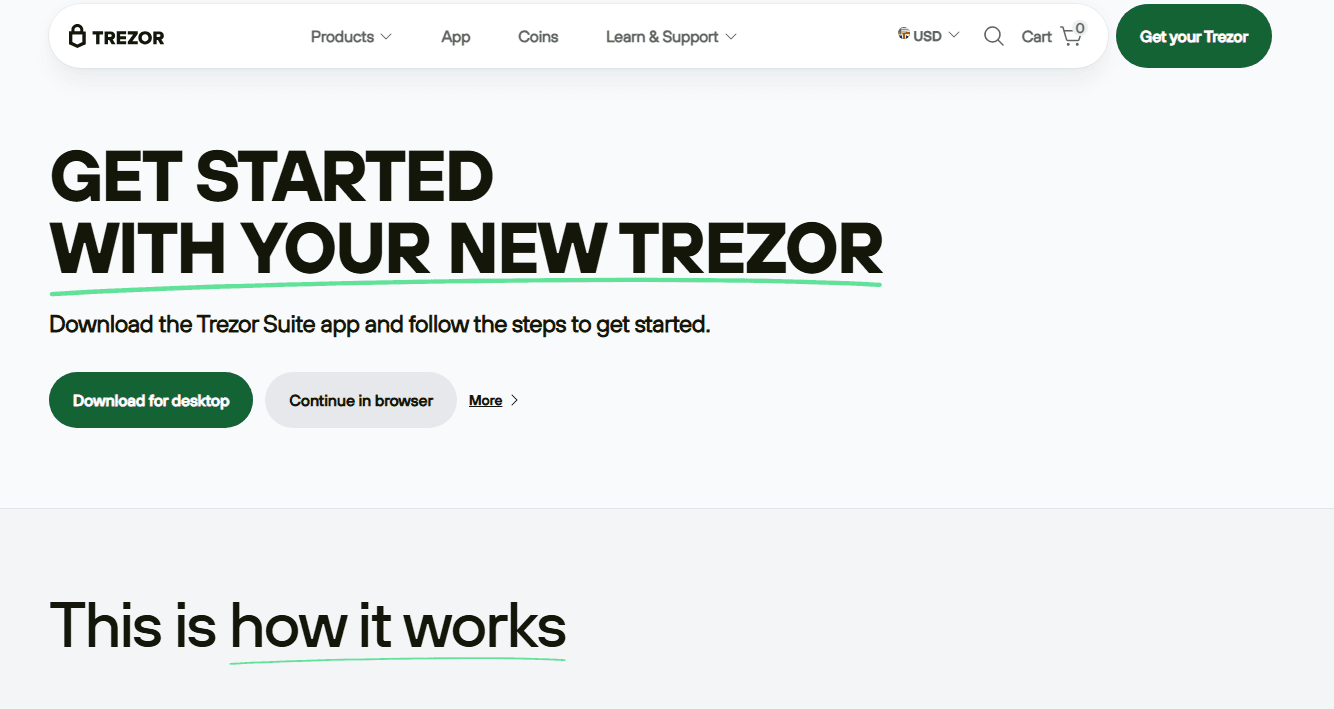
Introduction to Trezor Login
Trezor Login refers to the secure authentication process used to access and manage a Trezor hardware wallet. Unlike traditional logins that rely on usernames and passwords, Trezor Login is built around hardware-based security. This approach ensures that private keys remain offline and under the user’s full control at all times.
The login process is designed to protect digital assets from online threats such as phishing, malware, and unauthorized access. By requiring physical device confirmation, Trezor Login adds an extra layer of protection that software-only wallets cannot provide.
Why Trezor Login Is Different
Traditional digital platforms depend on passwords, which can be stolen, guessed, or leaked. Trezor Login replaces this weak model with device-based authentication. Access is only possible when the physical Trezor device is connected and verified.
This method ensures that even if a computer is compromised, attackers cannot access funds without the hardware wallet. Trezor Login combines physical security with cryptographic verification, creating a robust defense system.
How Trezor Login Works
Trezor Login begins when the user connects their Trezor device to a trusted computer. The device communicates securely with the wallet interface, allowing access only after successful verification.
During this process, the device checks firmware integrity and confirms user authorization. Private keys never leave the hardware wallet, and no sensitive information is transmitted over the internet.
This design ensures that login actions are verified directly on the device screen, preventing unauthorized access or manipulation.
The Role of PIN Protection
A key part of the Trezor Login process is PIN authentication. When logging in, users must enter their PIN to unlock the device. This protects the wallet even if the hardware falls into the wrong hands.
The PIN entry system uses a randomized keypad layout, making it resistant to keyloggers and screen-recording malware. This feature ensures that the PIN remains secure even on potentially compromised systems.
Device Verification During Login
Each time a user logs in, the Trezor device verifies its authenticity. This prevents the use of counterfeit or tampered devices. The verification process confirms that the firmware running on the device is genuine and unaltered.
This step is critical for maintaining trust in the hardware wallet and ensures that login sessions are always secure.
Accessing Wallet Features After Login
Once logged in, users gain access to their wallet dashboard. From here, they can view balances, monitor transaction history, and manage supported cryptocurrencies.
All sensitive actions, such as sending funds or changing security settings, require confirmation on the Trezor device itself. This ensures that no critical action can occur without physical user approval.
Secure Transaction Confirmation
Trezor Login ensures that transactions are confirmed directly on the hardware wallet screen. When sending cryptocurrency, transaction details such as amount and destination address are displayed on the device for review.
This confirmation step protects users from malware that may attempt to alter transaction data on the computer. Only after manual confirmation does the device sign the transaction.
Multiple Account Management
After logging in, users can manage multiple cryptocurrency accounts from a single interface. Each account remains isolated and protected by the same hardware-based security model.
This feature is particularly useful for users who hold different assets or manage funds for various purposes while maintaining strong security standards.
Advanced Login Security Options
Trezor Login supports advanced security features such as passphrases. A passphrase acts as an additional layer of authentication, creating hidden wallets that are inaccessible without the extra secret.
This option is ideal for users who want enhanced protection or wish to separate funds. Even if someone gains access to the recovery seed, passphrase-protected wallets remain secure.
Protecting Against Phishing Attempts
Phishing attacks often attempt to trick users into entering credentials on fake platforms. Trezor Login minimizes this risk by requiring physical device interaction for authentication.
Users should always verify information displayed on the device screen and avoid entering sensitive information on untrusted systems. The hardware confirmation process ensures that login attempts cannot be completed remotely.
Safe Login Environment Practices
To maintain security, users should log in using trusted computers and private networks. Keeping operating systems updated and avoiding suspicious software reduces the risk of compromise.
Trezor Login is designed to remain secure even in less-than-ideal environments, but best practices further strengthen protection.
What Happens If the Device Is Lost
If a Trezor device is lost or damaged, login access can be restored using the recovery seed on a replacement device. This process recreates the wallet exactly as it was, without exposing private keys online.
Understanding this recovery mechanism provides confidence and ensures continuity of access even in unexpected situations.
Common Login Mistakes to Avoid
Users should never share their PIN or recovery seed with anyone. These credentials grant full access to funds and must be kept private at all times.
Another common mistake is ignoring device screen warnings. Always confirm login and transaction details directly on the hardware wallet to prevent unauthorized activity.
Maintaining Long-Term Login Security
Security is an ongoing responsibility. Users should periodically review device settings, update firmware when recommended, and remain alert to emerging threats.
Trezor Login provides a strong foundation, but consistent safe practices ensure long-term protection of digital assets.
Benefits of Hardware-Based Login
The main advantage of Trezor Login is complete user control. No centralized service holds login credentials, and no external party can access funds without the physical device.
This approach aligns with the core principles of cryptocurrency ownership, empowering users with direct responsibility and enhanced security.
Conclusion
Trezor Login offers a secure, hardware-based approach to accessing cryptocurrency wallets. By eliminating traditional passwords and requiring physical confirmation, it provides strong protection against online and physical threats.
From PIN authentication and device verification to transaction confirmation and advanced security options, every part of the login process is designed with safety in mind. By understanding how Trezor Login works and following best practices, users can confidently manage their digital assets while maintaining full control and peace of mind.